While less common than in other parts of the U.S., homes in California can have basements — but several factors affect their feasibility and cost.
Are Basements Allowed in California?
Yes, basements are legal and permitted under the California Building Code, but they’re rarely built due to:
- High water table in some regions
- Earthquake risks requiring special foundation design
- Higher construction costs compared to slab-on-grade

Why Are Basements Rare in California?
- Seismic activity: Many areas require reinforced foundations
- Soil conditions: Expansive clay or poor drainage make excavation harder
- Cost: Adding a basement can increase build costs by 20–30%
- Tradition: Most homes use slab or crawl space foundations
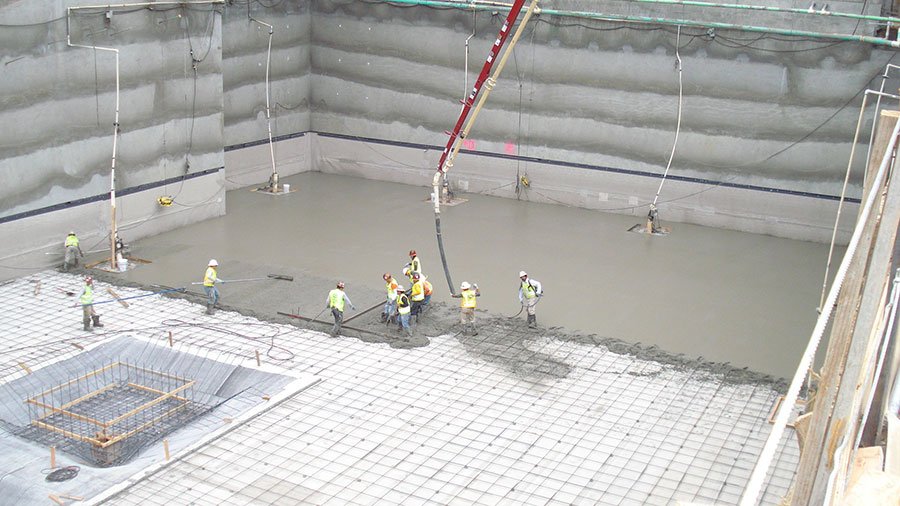
Basement Options in California
- Full basement: Below ground level, often finished
- Daylight basement: One side exposed to grade, common in hillsides
- Storm shelters or safe rooms: Some homeowners install underground spaces for safety without full basement excavation
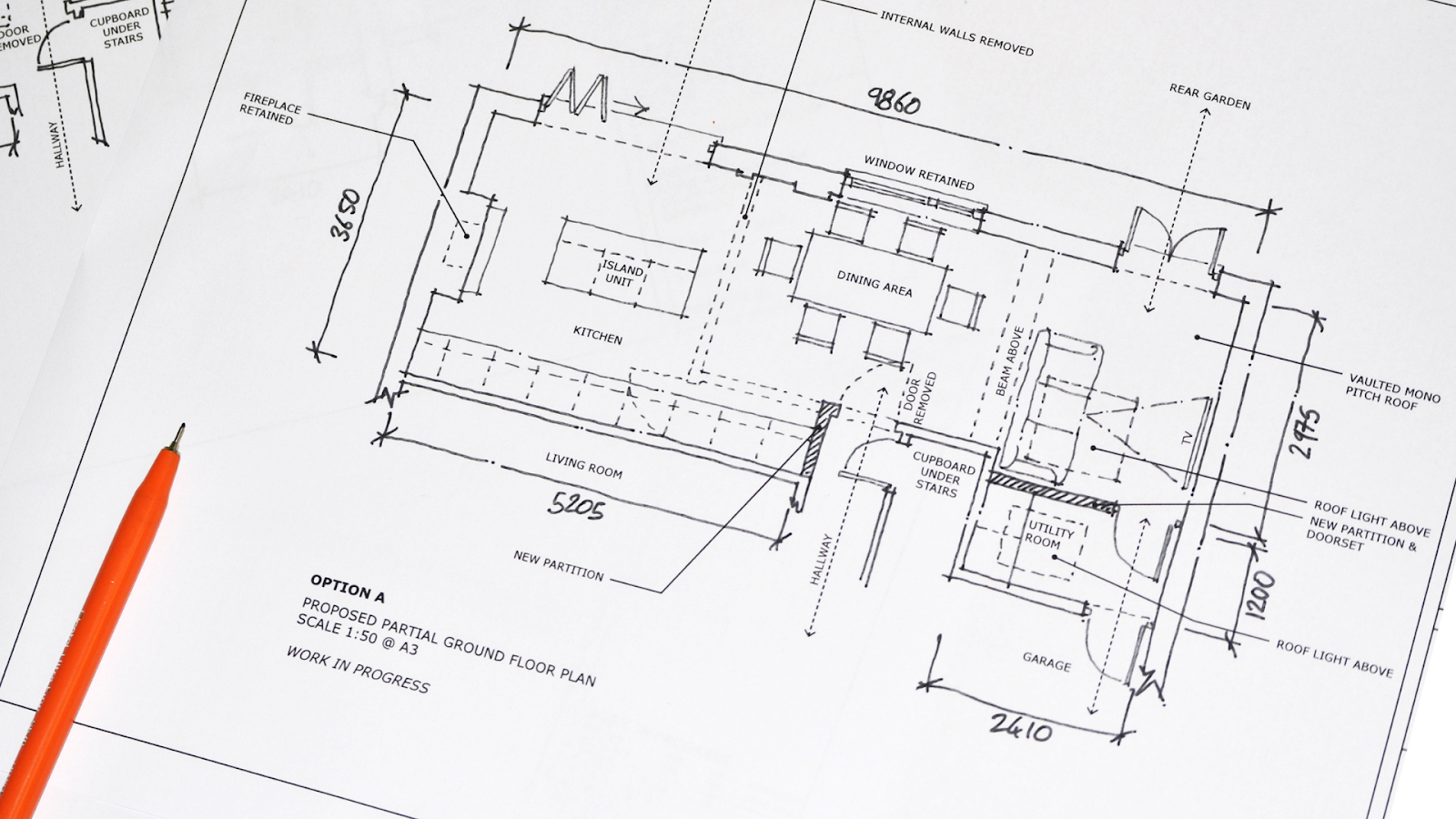
Building a Basement: Key Tips
- Check local zoning and building codes
- Hire an engineer for seismic compliance
- Consider waterproofing and drainage systems
- Factor in added permitting time and cost
Conclusion
Yes, homes in California can have basements, but they’re uncommon due to geological, regulatory, and financial challenges. When built, they offer extra living space, storage, or safety features — especially in low-risk seismic zones.
FAQs
Q: Do California homes typically have basements?
A: No, most don’t due to earthquake risks, soil issues, and higher costs.
Q: Is it legal to build a basement in California?
A: Yes, but you must meet code requirements and get permits.
Q: How much does it cost to add a basement?
A: It can increase total build costs by 20–30%, depending on size and location.
Join The Discussion